
Sell Timber in Kentucky
Standing timber & log sales · stumpage, buyers, and the sale process
Whether you have a woodlot to harvest or logs already on the landing, here is how Kentucky timber sales actually work in 2026 — what your trees are worth, who buys them, and how to keep a low first offer from costing you.
The two ways to sell Kentucky timber
- Sell standing (stumpage): the buyer cuts and hauls; you're paid for trees on the stump. Simplest for whole-tract harvests — but you receive 30–50% less than delivered prices because logging costs come out. Best run through a consulting forester with sealed bids.
- Harvest and sell logs: if you (or a hired crew) can fell and deck logs safely, you capture more of the delivered price. Grade each log free with the AI Log Grader, scale with the Doyle calculator, and list free on JMLogMarket — buyers contact you direct, no commission.
Worked example with Kentucky’s top species: an MBF of White Oak sawlogs is worth $340–$920 delivered — but roughly $170–$644 as stumpage. That gap is the logging & hauling cost, and it’s why the harvest-and-sell route nets more when you can manage it.
Who buys timber in Kentucky
Licensed timber buyers and loggers, sawmills with their own crews, and mill procurement foresters. Where to find them:
- Kentucky log & timber buyers: see who buys logs near you and the sawmill directory.
- Logging crews: the logger directory covers harvest crews working Kentucky and the surrounding region.
- Let buyers come to you: post on the buyer request board or list your timber free — every listing shows your contact so buyers reach out direct.
- State resources: Kentucky’s forestry agency maintains licensed-buyer and master-logger lists — worth cross-checking any buyer you haven’t worked with.
The 5-step Kentucky timber sale (done right)
- 1. Know what you have. Walk the tract; photograph your best trees and run them through the free AI Tree Grader for a first read. For a full harvest, pay for a forester’s cruise.
- 2. Price-check the market. Current Kentucky log prices and the full price guide tell you what buyers are working against.
- 3. Get competing offers. Sealed bids for stumpage; multiple quotes (mill + marketplace listing) for decked logs.
- 4. Contract in writing. Payment before cutting (or performance bond), harvest boundaries, BMP compliance, wet-weather shutdowns, road/fence repair, and a completion date.
- 5. Mind the taxes. Timber sale income can qualify for capital-gains treatment and a depletion deduction on your timber basis — worth a conversation with an accountant before, not after, the sale.
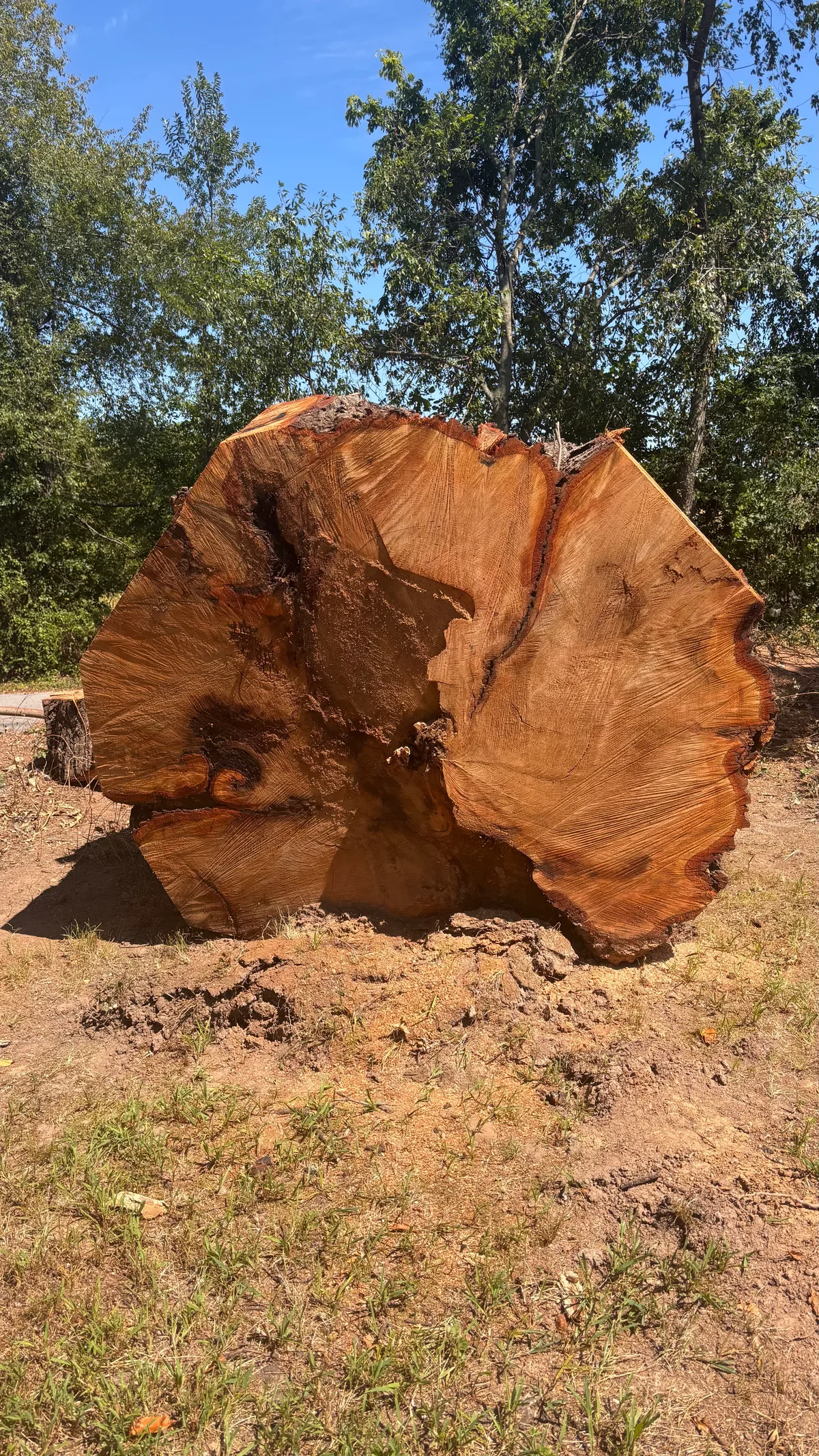
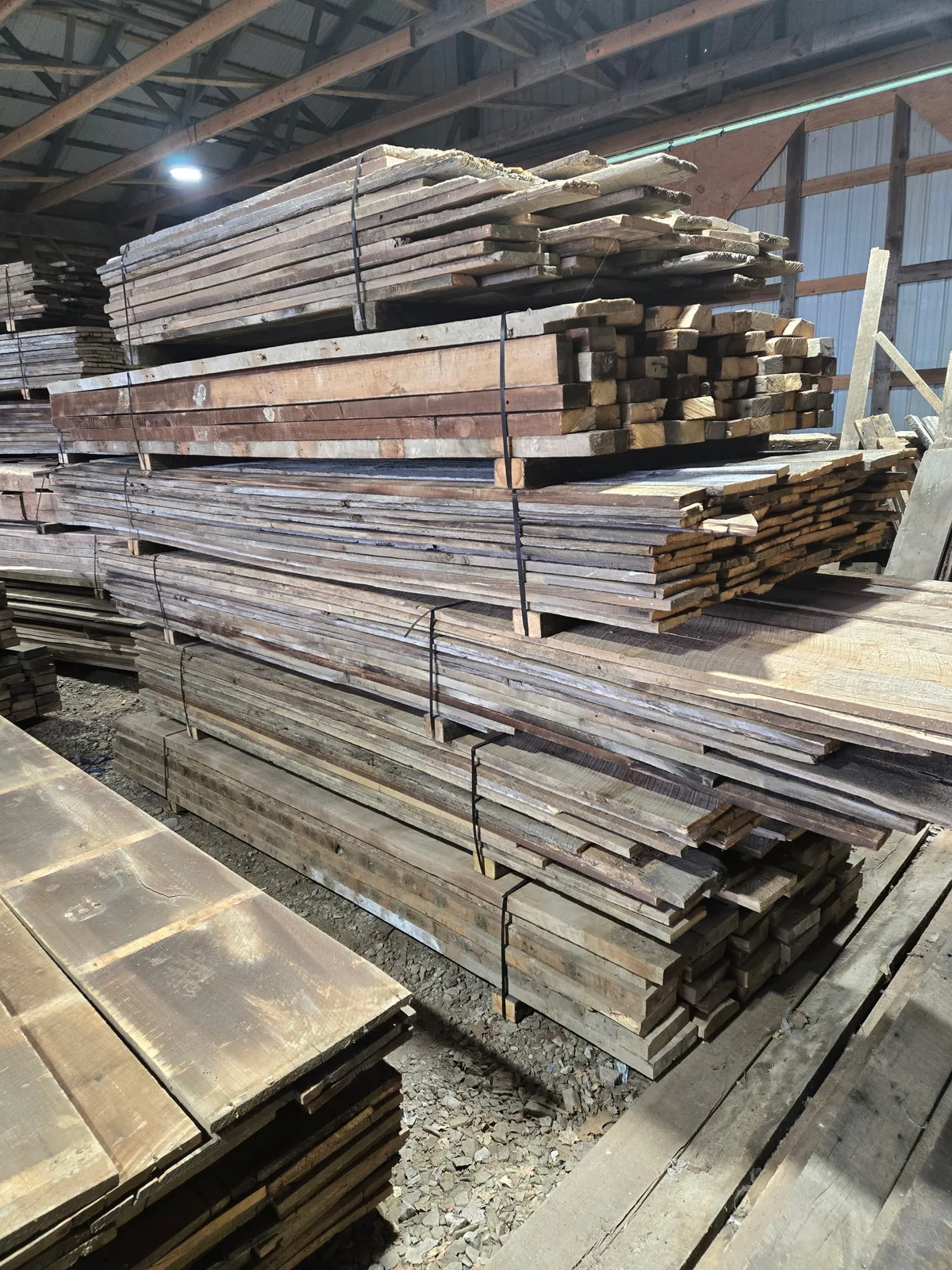
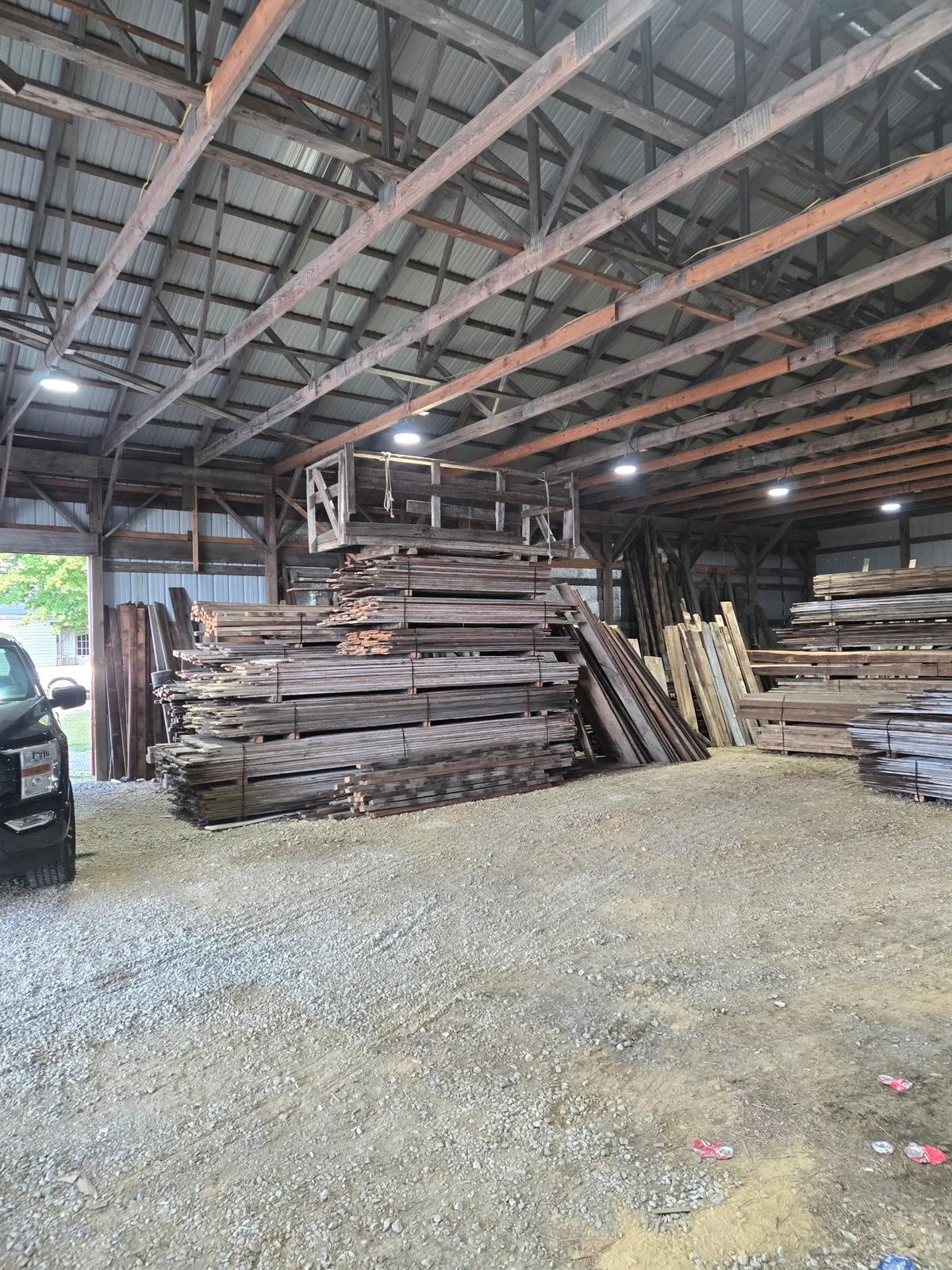
Current Kentucky Listings
See all →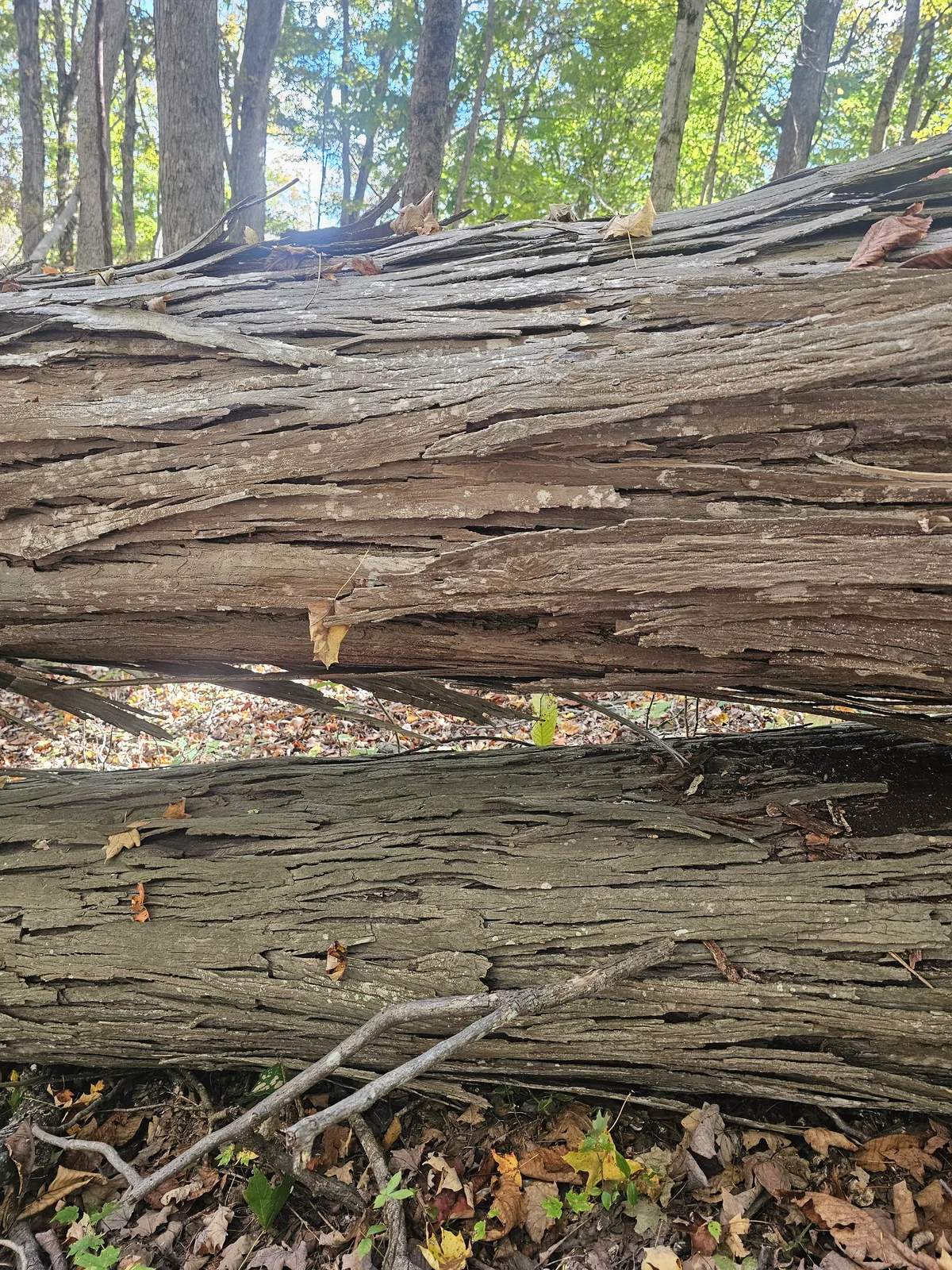
Free help from the Kentucky Division of Forestry
Before you sign anything, talk to the state. The Kentucky Division of Forestry provides free or low-cost assistance to Kentucky landowners — ask for a service forester visit and their consulting forester list.
A consulting forester works for you, not the buyer, and typically charges a percentage of the sale. That fee is routinely covered several times over by the higher bids a competitive sale attracts — which is why sealed bids run by a forester tend to beat a handshake with the first logger who knocks. Full landowner's guide →
Kentucky delivered log prices — KDF Q1+Q2 2026
Delivered to the mill, per thousand board feet. Stumpage — what you get for the tree standing — typically runs 30–50% lower once harvest and haul come out.
| Species | Veneer | Sawlog | Pallet |
|---|---|---|---|
| White Oak | $2,450–$6,500 | $340–$1,850 | $113–$125 |
| Black Walnut | $3,125–$8,000 | $350–$4,000 | $100 |
| Red Oak | — | $300–$750 | $113–$125 |
| Hard Maple | — | $310–$1,000 | $113–$125 |
| Black Cherry | — | $225–$600 | $100–$125 |
| Yellow Poplar | — | $200–$700 | $113–$125 |
Source: Kentucky Division of Forestry Delivered Log Price Report, Q1+Q2 2026 (July 2026 edition). Sawlog runs from the #1–#2 low to the prime top; ranges reflect the spread across reporting regions and log quality — diameter, grade, length and access all move the number. Full price board →
Frequently Asked Questions
How do I sell timber in Kentucky?
Two routes. For standing timber: get a consulting forester to cruise the tract, then run a sealed-bid sale to several licensed buyers - forester-run sales routinely beat the first drive-by offer. For logs already on the ground: grade them (free with the AI Log Grader), check current Kentucky prices, then list free on JMLogMarket so buyers contact you directly with no commission.
How much is my timber worth in Kentucky?
Current delivered-to-mill benchmarks (KDF Q1+Q2 2026) for Kentucky's leading species: White Oak sawlogs $340-$920/MBF delivered (veneer/premium $920-$1,850); Black Walnut sawlogs $350-$1,475/MBF delivered (veneer/premium $1,475-$4,000); Red Oak sawlogs $300-$560/MBF delivered (veneer/premium $560-$750). As STANDING timber (stumpage) you receive roughly 30-50% less than delivered - for White Oak that means very roughly $170-$644/MBF standing, before tract-specific factors. Volume, access, and grade move the number more than averages do.
Do I need a forester to sell timber in Kentucky?
Not legally in most cases, but for a whole-tract sale a consulting forester typically pays for their ~10% fee several times over: they cruise the volume so you're not guessing, run competitive sealed bids, and write a contract covering BMPs, wet-weather rules, and cleanup. For a few logs or a small salvage job, the marketplace route (grade, list free, field offers) is usually enough.
Who buys standing timber in Kentucky?
Licensed loggers and timber buyers, sawmills that run their own crews, and procurement foresters for larger mills. Kentucky's forestry agency publishes lists of licensed buyers and master loggers, and JMLogMarket's directories cover loggers and sawmills. You can also post what you have on the buyer request board and let buyers come to you.
Related Reading
Ready to Sell Kentucky Timber?
Grade free, price-check, then let buyers compete. No commission — direct buyer contact.